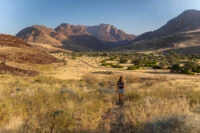
Namibia was a true bucket list destination for us. We never thought we would eventually travel there with an eighteen-month-old, but last summer our dream came true! For three weeks, we traveled in a 4×4 through the impressive scenery of this beautiful country. The red sand of the Kalahari, the mighty Naukluft Mountains, the iconic Sossusvlei, tens of thousands of fur seals at Walvis Bay, ancient rock carvings, and especially the many, many, many wild animals we saw… these are all pieces of a journey we will cherish forever! In this blog post, we’ll take you along our travel route and hope to help you get started on planning your own wonderful tour.
Highlights of Namibia
How much time do you need for a trip through Namibia?
You can visit Namibia in fourteen days, but if you really want to get the most out of your trip, we recommend three weeks. This allows you to combine the famous highlights with less-visited spots where you can enjoy some peace and quiet. Because Namibia is such a large country, travel times from one destination to another can sometimes be long. Keep an eye on your schedule so you don’t spend more time in the car than doing anything else, and try staying a bit longer in one place. Especially if you’re traveling with young children like we did, it’s nice to keep the travel pace a bit lower.
How do you travel through Namibia?
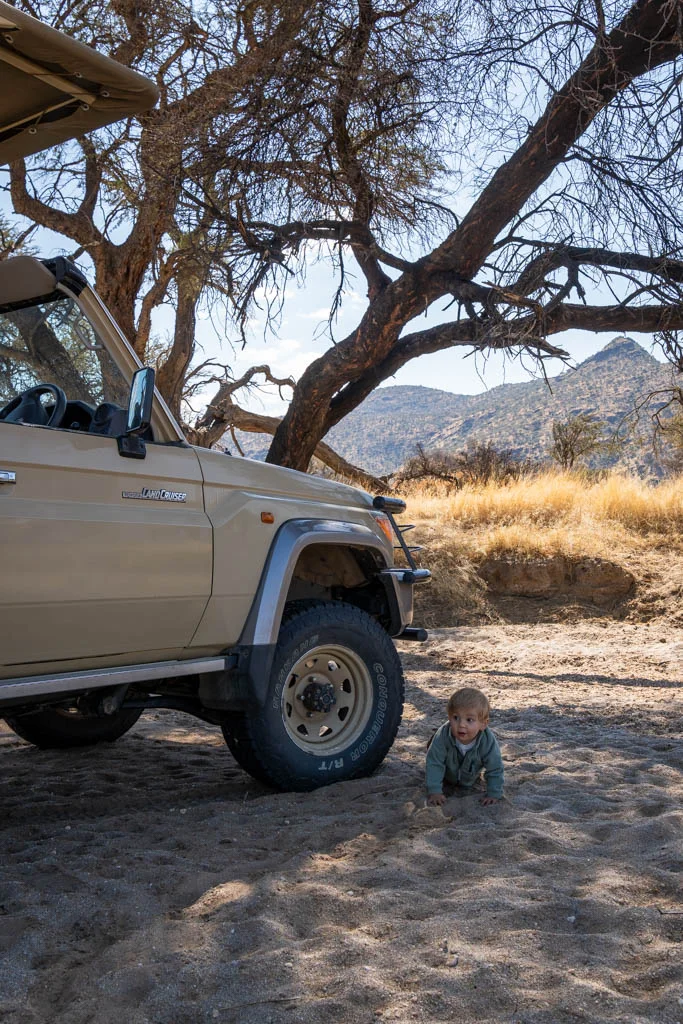
A road trip through Namibia without a rental car seems like an impossible task to us. Public transport is almost non-existent and would be mostly unpleasant and time-consuming. So, rent a decent 4×4 yourself, which will allow you to manage on the many gravel and sand roads. We rented a Toyota Hilux 4×4 from Hertz via Discovercars.com and paid just under €1,200 for three weeks, including a good child seat and extra insurance!
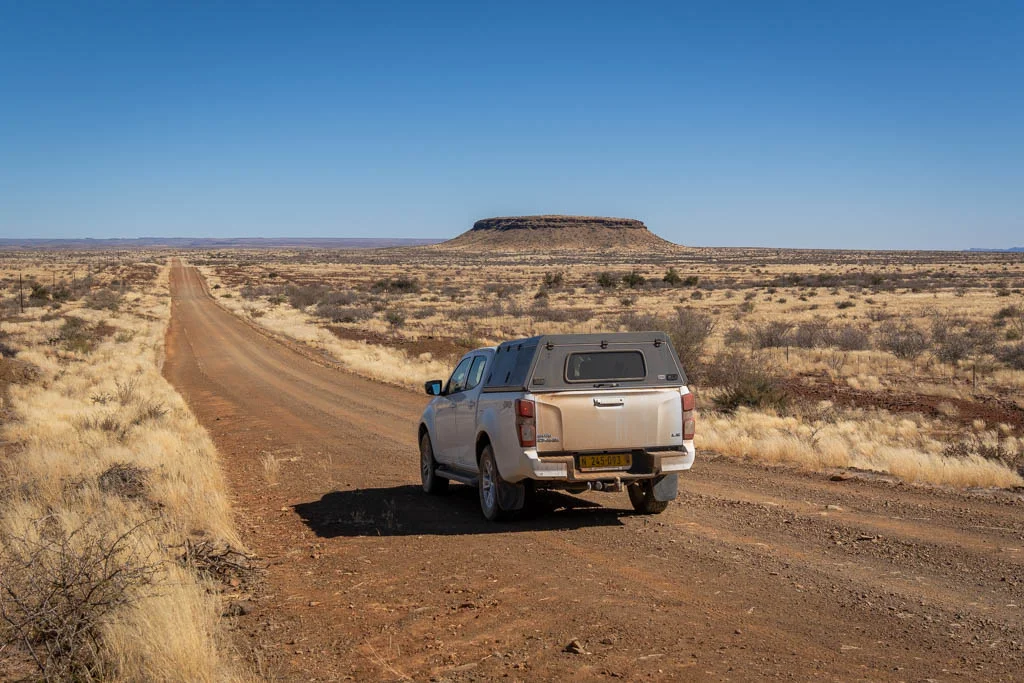
Many travelers also rent a roof tent with their car, which naturally gives them a lot of freedom. Wild camping is technically allowed, but many pieces of land are fenced off to protect animals. As a result, it’s not always easy to just find a spot in the wild. It’s easier to stay at the often wonderful and still affordable campsites at a lodge. This also gives you a great chance to spot wildlife right from your tent! Sleeping in accommodation at the lodges can be very expensive, but it offers extra comfort. We also found quite a few more affordable alternatives, which we will mention below for each location.
Since 2025, you need a visa to travel to Namibia. You can apply for this online in advance and it costs about 1,600 Namibian dollars (approximately 80 euros).
Why Namibia is perfect with young children
Taking such a long trip with young children isn’t always easy. Yet, it worked out very well for us and Namibia even turned out to be the ideal destination. Firstly, there is no time difference with Belgium or the Netherlands. Because of this, you don’t suffer from jet lag and you can maintain your home routine as much as possible. Anyone with babies, toddlers, or preschoolers knows how sacred that can be for your sleep!
You also don’t have to worry about your children’s health in Namibia. Unlike many other African countries, you can travel largely malaria-free. Especially during our summer months—the Namibian winter—there is no risk of malaria. You should only avoid the northernmost strip on the border with Angola. Additionally, healthcare in Namibia is perfectly fine.
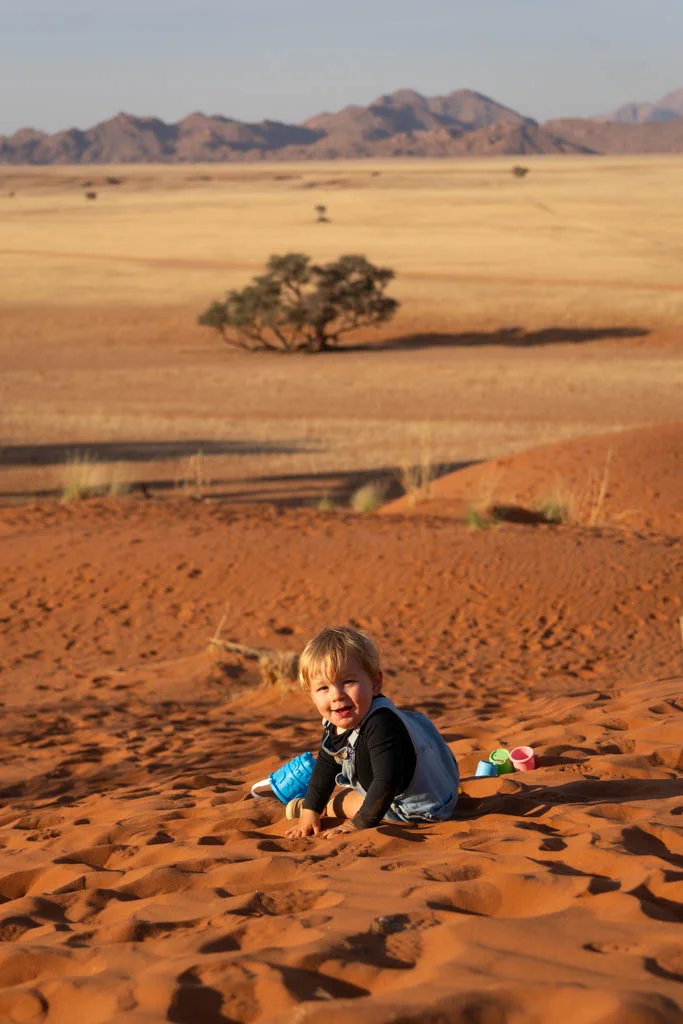
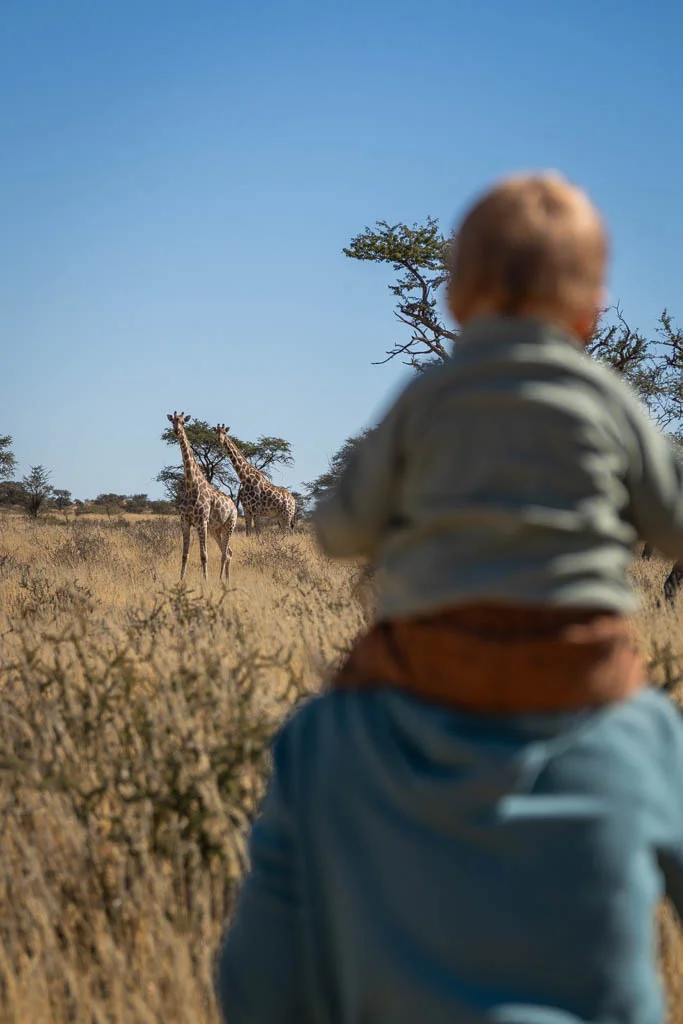
Finally, Namibia has very decent infrastructure in several areas. We found all our places to stay very hygienic, beautiful, and well-equipped. We ate almost exclusively in restaurants and always found tasty, healthy, and high-quality meals without paying an excessive amount. Finally, all organized activities (such as game drives and a boat trip) were very well-managed. As you can tell, we had nothing to complain about!
Our travel route for Namibia
In the summer of 2025, we took a 21-day road trip through Namibia with a rented 4×4. Get inspired by our travel route and plan your own Namibia adventure!
Day 1–3: Kalahari Desert
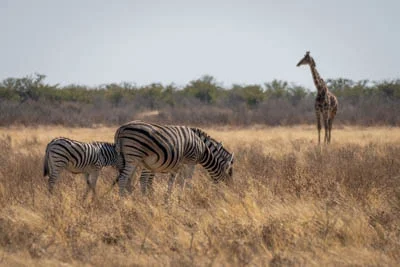
After a long flight to Windhoek, we picked up our rental car and immediately drove about three hours south towards the Kalahari Desert. Expect a beautiful savanna with red sand dunes here and there, where we spotted zebras, wildebeest, springbok, giraffes, and ostriches, among others.
Our schedule included several safari walks in the Kalahari, about which we wrote a separate blog article. It’s highly recommended to go looking for wildlife on foot, as it puts you much closer to nature, which you’ll have all to yourself. Besides that, a game drive with a sundowner was a must. We went out in jeeps from Anib Lodge and found that to be a top experience as well.

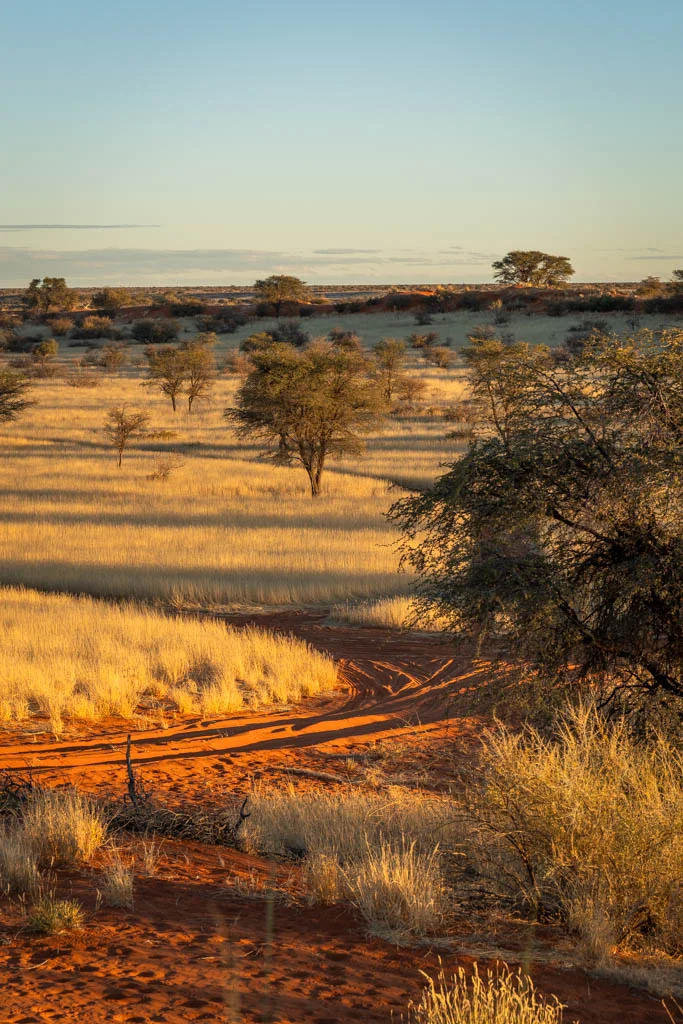
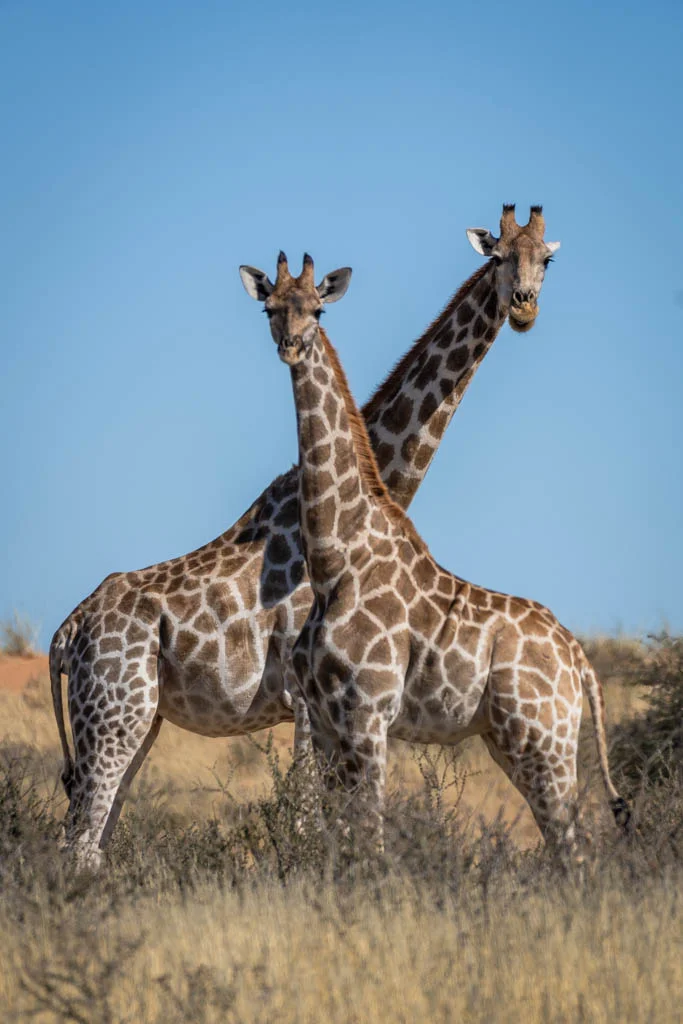
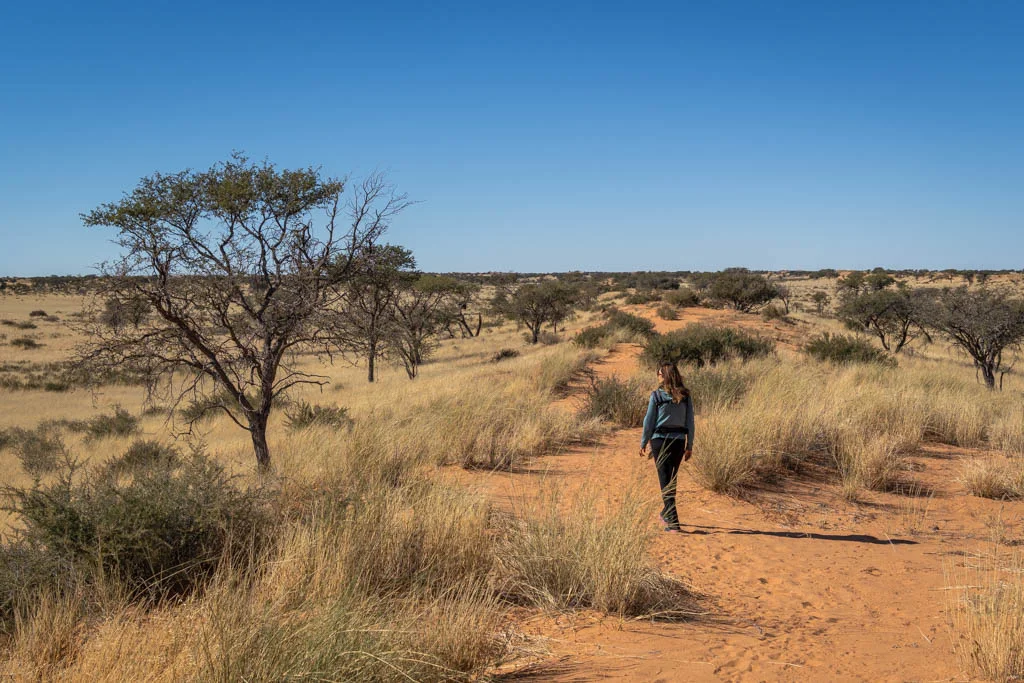
The ideal base for these activities is the town of Mariental. You can, of course, stay in one of the fancy lodges in the area, but we found those very pricey. We stayed in a cottage at the Flying Ostrich Guesthouse, which isn’t inside a wildlife park but is very close to the center of Mariental, which was handy for doing some shopping at the large supermarket.
Day 4–6: Naukluft Mountains & Sossusvlei
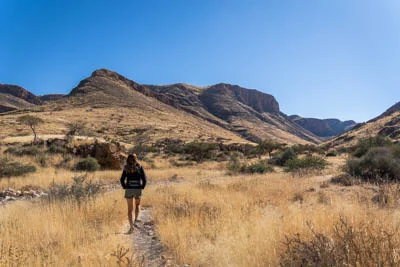
Our next destination in Namibia is a three-hour drive from Mariental: the impressive Naukluft Mountains. The road there is an attraction in itself, so the drive felt like it went by very quickly.
One of the highlights of the Naukluft Mountains and the main reason we wanted to stop here is the ten-kilometer Olive Trail. It’s a beautiful, marked hike with some adventurous climbing here and there. Right up our alley! Along the way, besides a beautiful canyon, you might also see baboons. We wrote a separate blog article about this—in our opinion—unmissable Olive Trail.

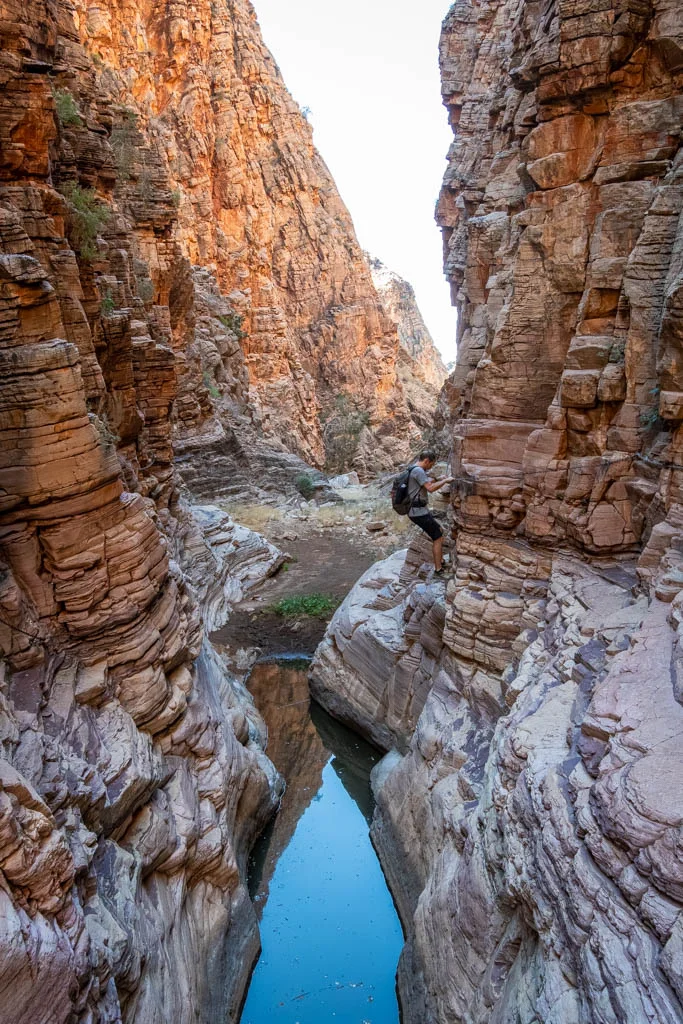

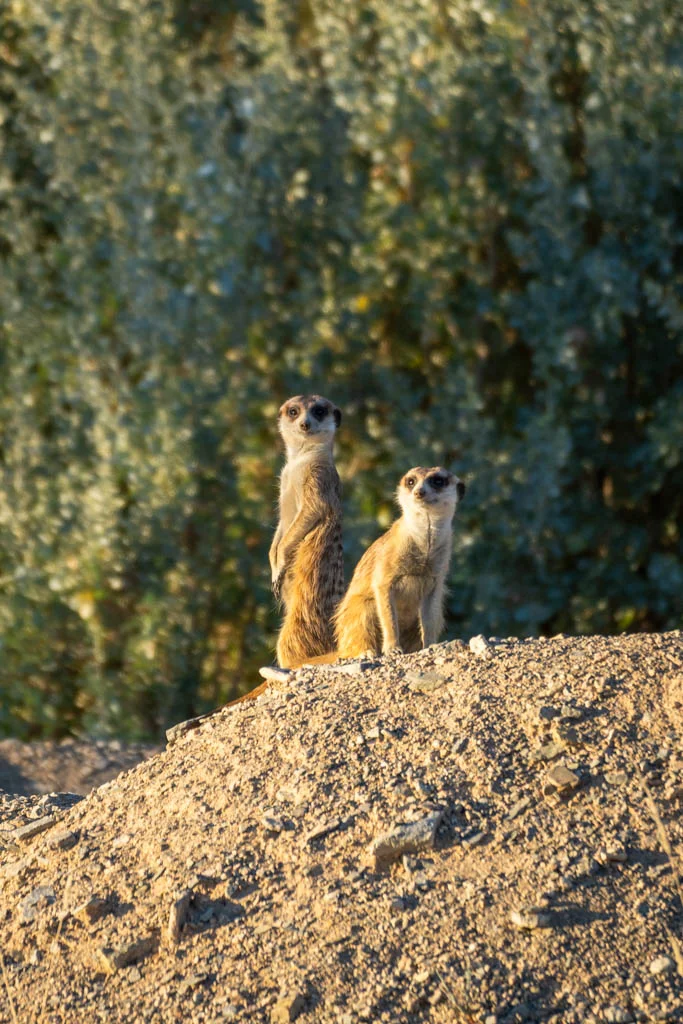
We stayed in accommodation at the Neuras Wine and Wildlife Estate, where you can enjoy a wine tasting or attend the cheetah feeding. Maybe we were very lucky, but we also saw meerkats there! Our stay included breakfast and a delicious dinner. Highly recommended!
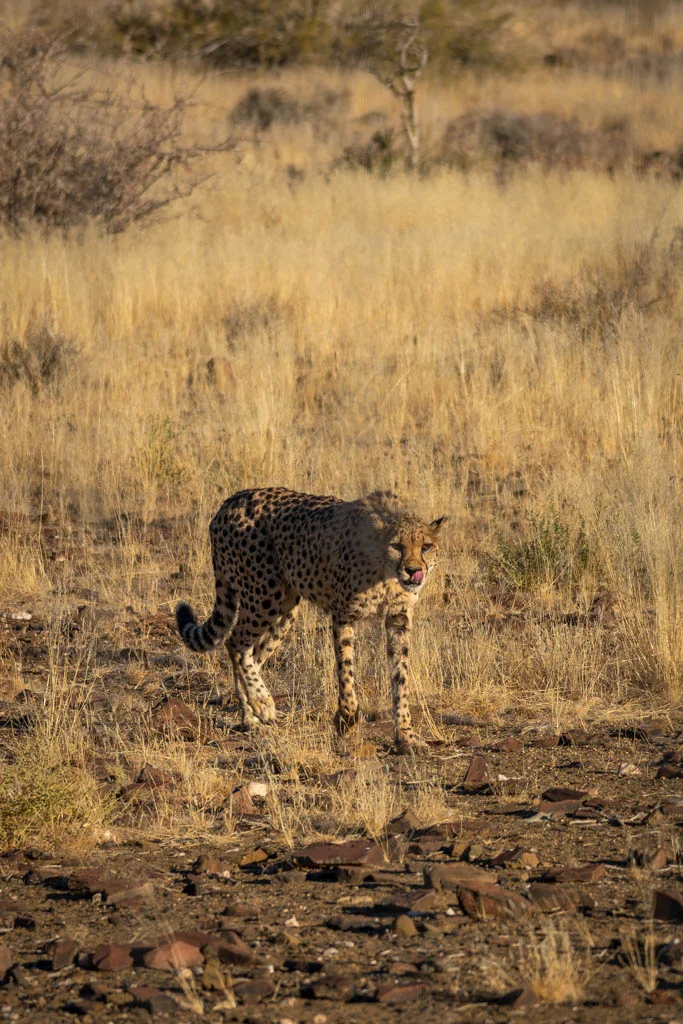
From this accommodation, we also visited the world-famous Sossusvlei. We did have to drive two hours there and two hours back for that. It might be more convenient to book a night at Sesriem, the place where the entrance gate to Sossusvlei is located. However, we didn’t immediately find a suitable (or affordable) place to stay there. There are mostly many campsites, so it’s ideal for those traveling with a roof tent.
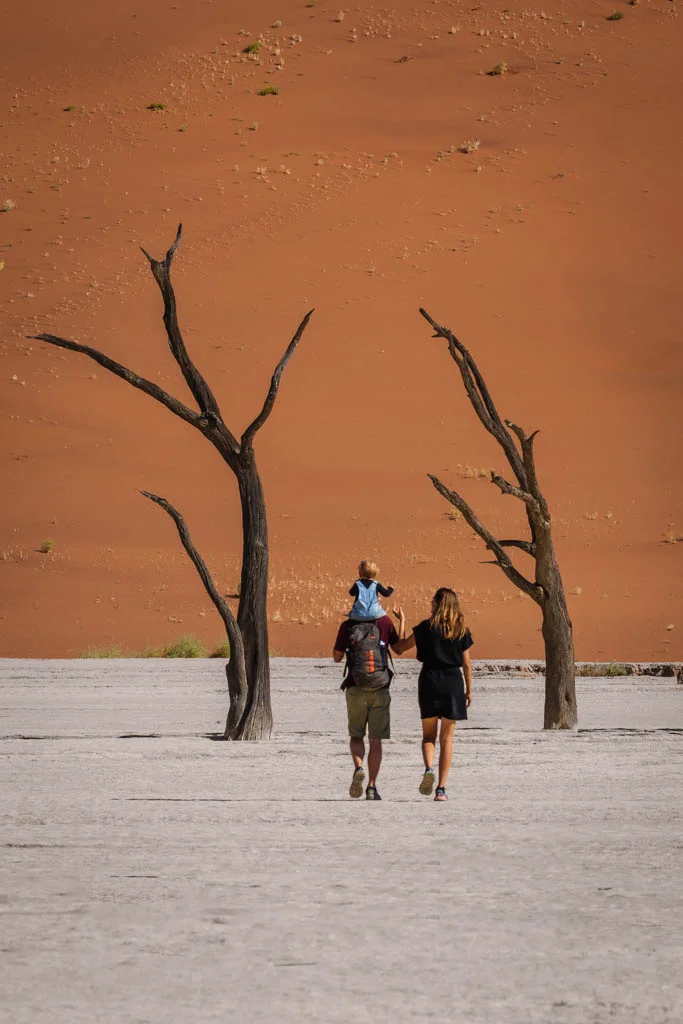
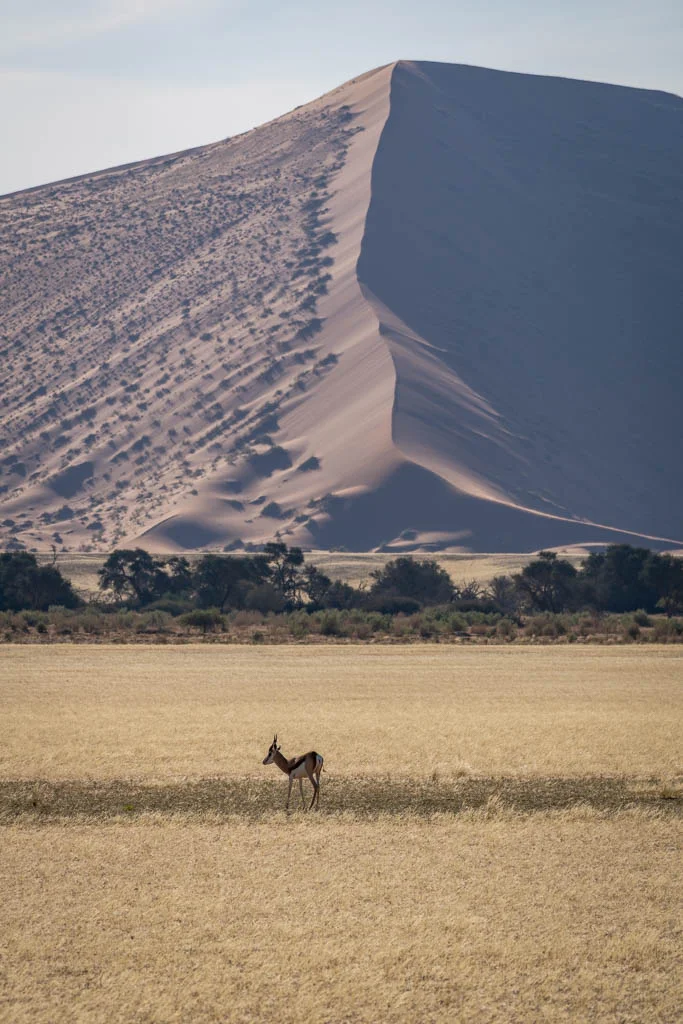
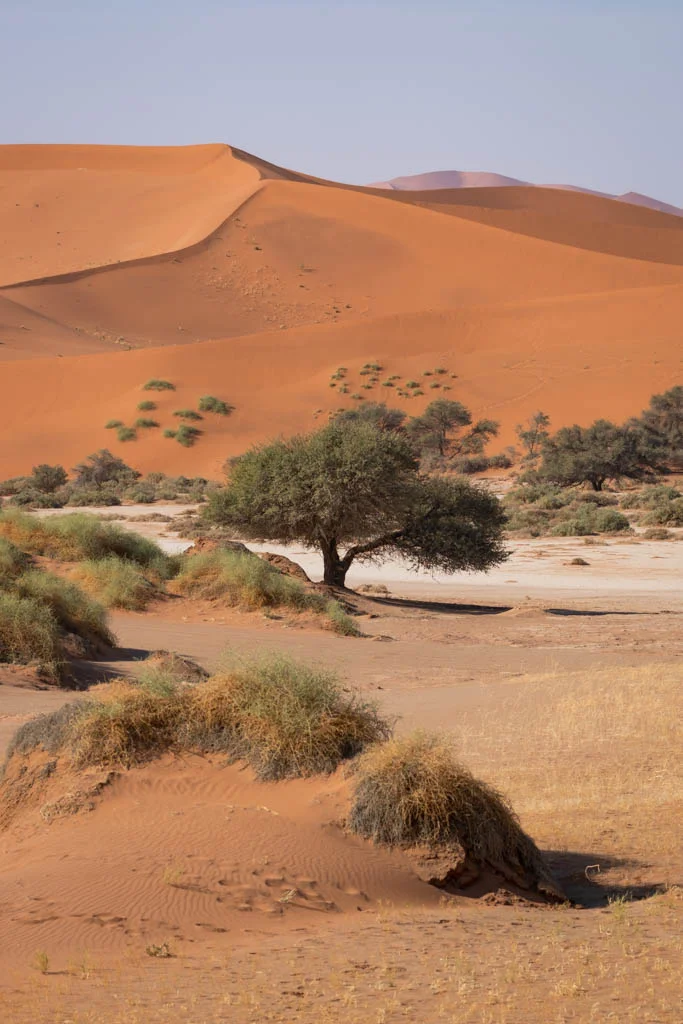
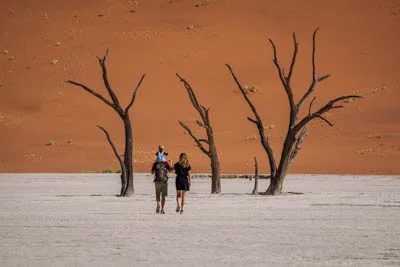
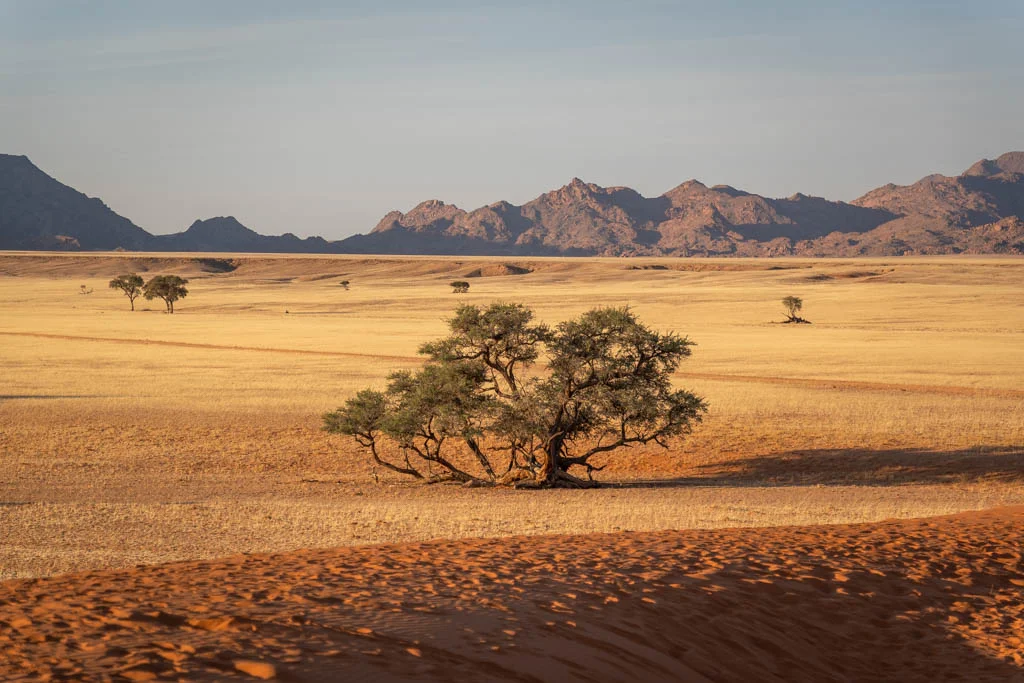
In any case, a day trip to Sossusvlei is a must on your tour through Namibia. The black trees in the white clay pan of Deadvlei are really cool. We had seen them so often on television, social media, or in magazines that it felt very special to actually stand there. Be sure to climb a dune, like Big Daddy or Dune 45. Finish at Elim Dune during sunset or take a short walk through Sesriem Canyon, the inspiration for the infamous scene of Mufasa’s death in the Lion King.
Day 7–9: Swakopmund & Walvis Bay
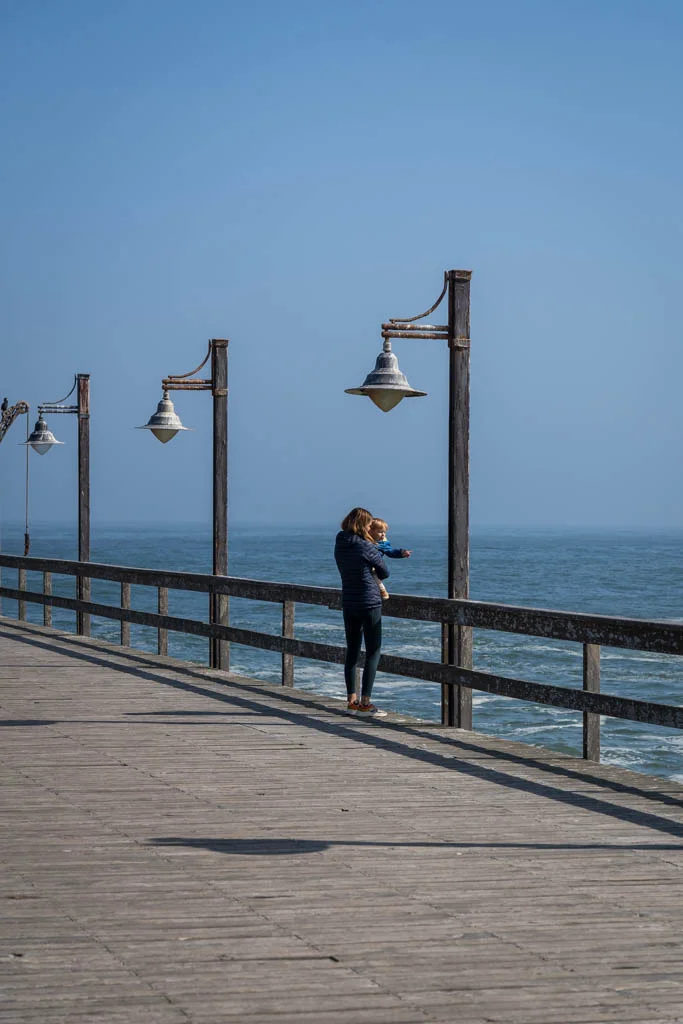
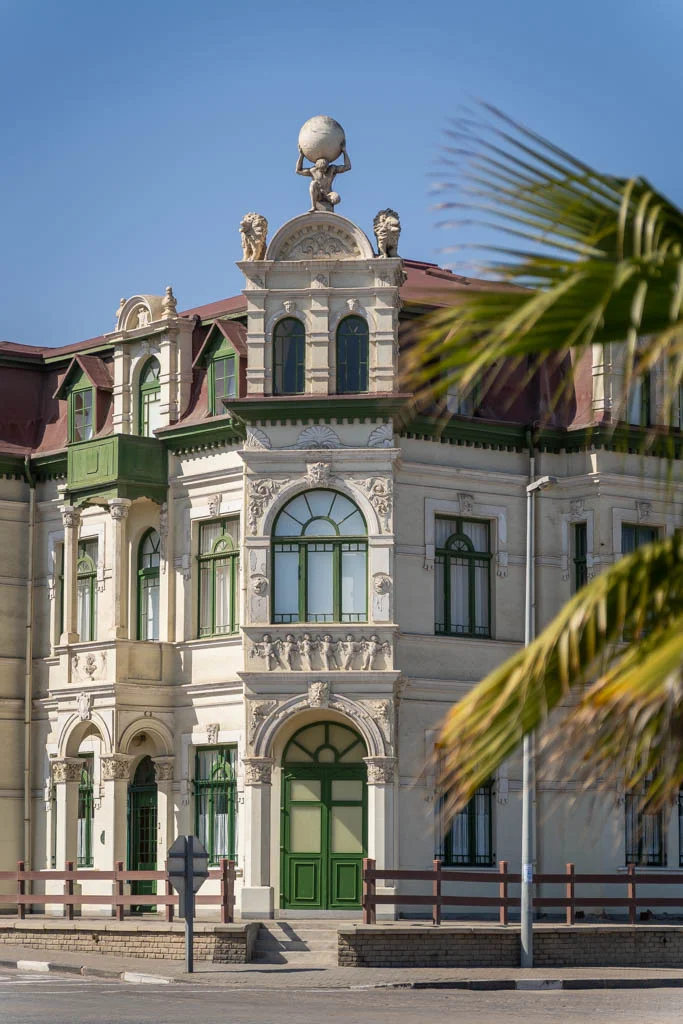
After a stop in Solitaire (for fuel and apple pie), we reached our next destination after a little under five hours: Swakopmund, a very German-looking city by the sea. The center is nice to walk through once, but not very special. You can, however, do some larger grocery shopping here or spend an evening at a pub, something you don’t often get the chance to do in sparsely populated Namibia. The historic pier, The Jetty, is also worth a visit, especially during sunset.
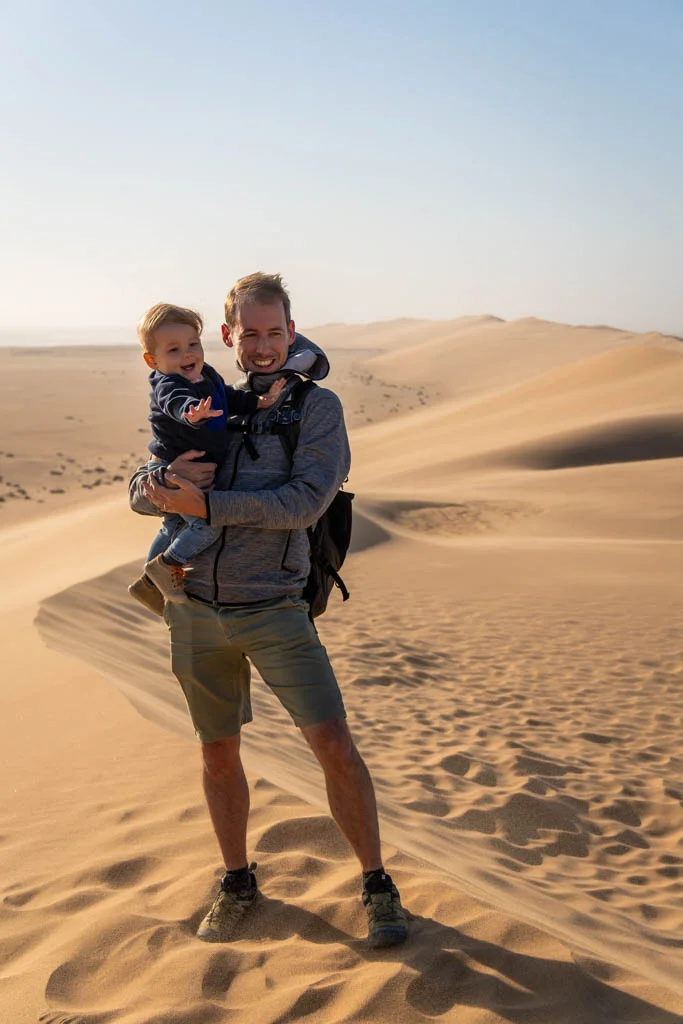
Yet, it’s mainly in the wider area around Swakopmund that the best things to do are found. Between Swakopmund and Walvis Bay lie high sand dunes with beautiful views. You can just climb one yourself, but there are also tours organized with fatbikes. Additionally, the 4×4 excursions to Sandwich Harbour are popular. You cruise with a driver along the beach by the ocean and then race into, up, and down the sand dunes. Along the way, you stop at wonderful locations, and at the end of the excursion, a buffet with oysters and champagne is set up.
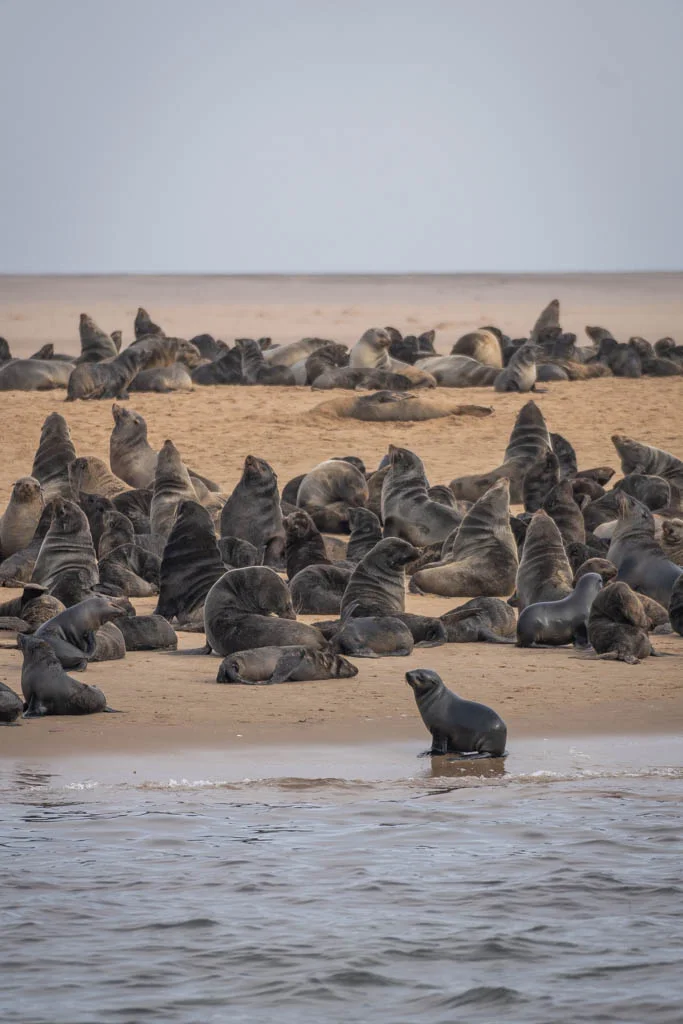
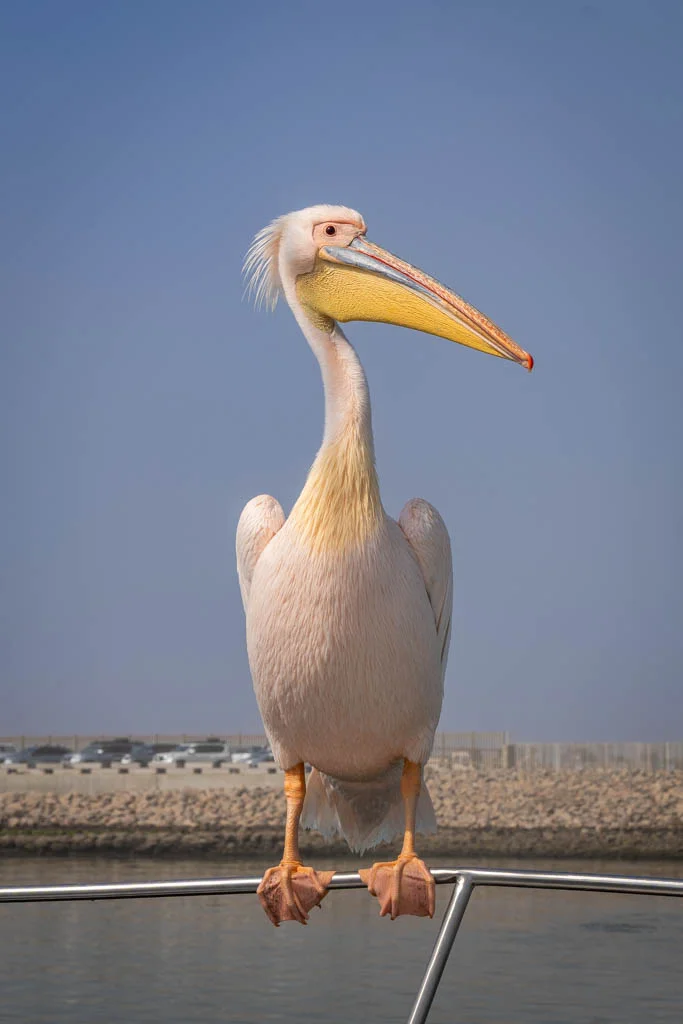
We tested the boat trip from Walvis Bay to Pelican Point ourselves, a beach where about fifty thousand fur seals live. Very impressive! While sailing, we also spotted many pelicans and even a dolphin. Afterwards, we also visited Flamingo Lagoon, just south of Walvis Bay.
We stayed in a very well-equipped apartment with a sea view, Vista Mare. This is located near The Jetty and has a spacious kitchen where we could cook for ourselves again.
Day 10–11: Usakos & Ameib
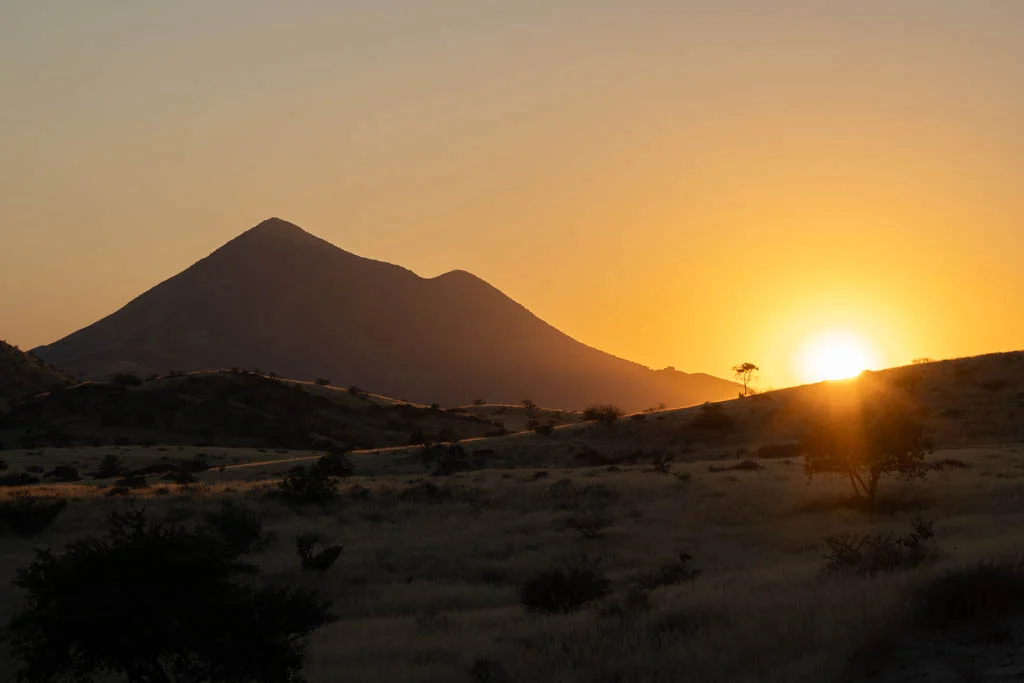
Time for a lesser-known stop in Namibia, away from the more touristy route. We drove about two hours to the hills around the town of Usakos. The accommodation we rented at Achab Eco Cabin alone was worth the drive. These new cottages are very modernly furnished and have a private terrace with a small pool. The view from the terrace is wonderful, and we enjoyed the same view from our bed and bath! And oh, the sunset here was magical too!
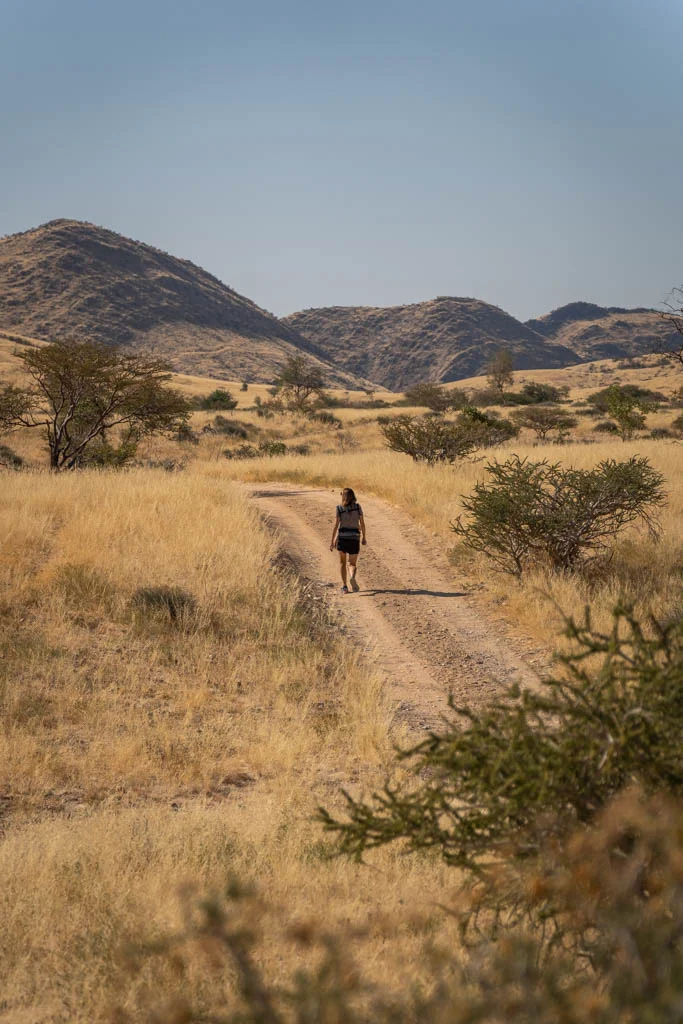
We took a small walk among the hills at the accommodation itself, but we mainly came here to go on a safari walk at Hohenstein Lodge. We were a bit disappointed when it turned out upon arrival that we could only walk with a guide, but there wasn’t much we could do about that. You can choose from several routes here, ranging from one and a half to three hours, and go looking for giraffes, oryx, wildebeest, ostriches, springbok, and baboons.
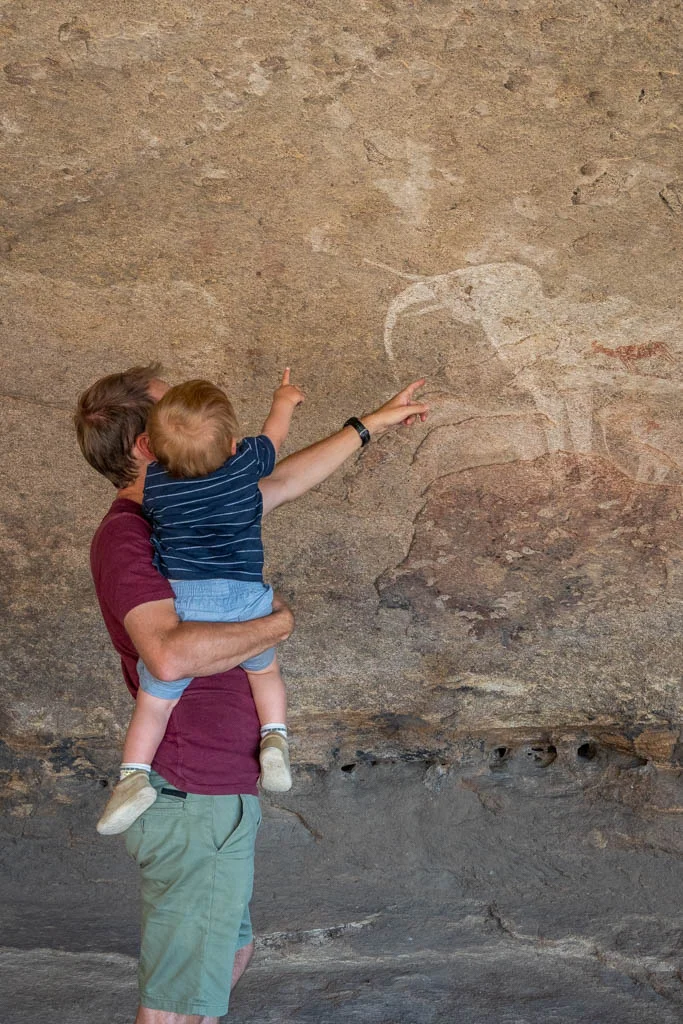
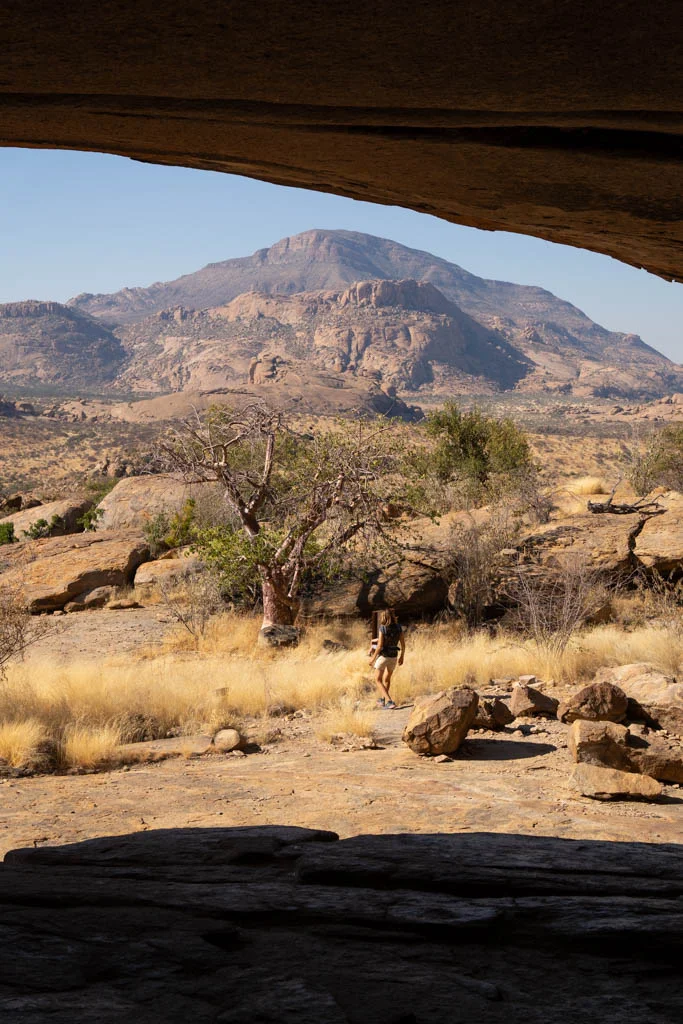
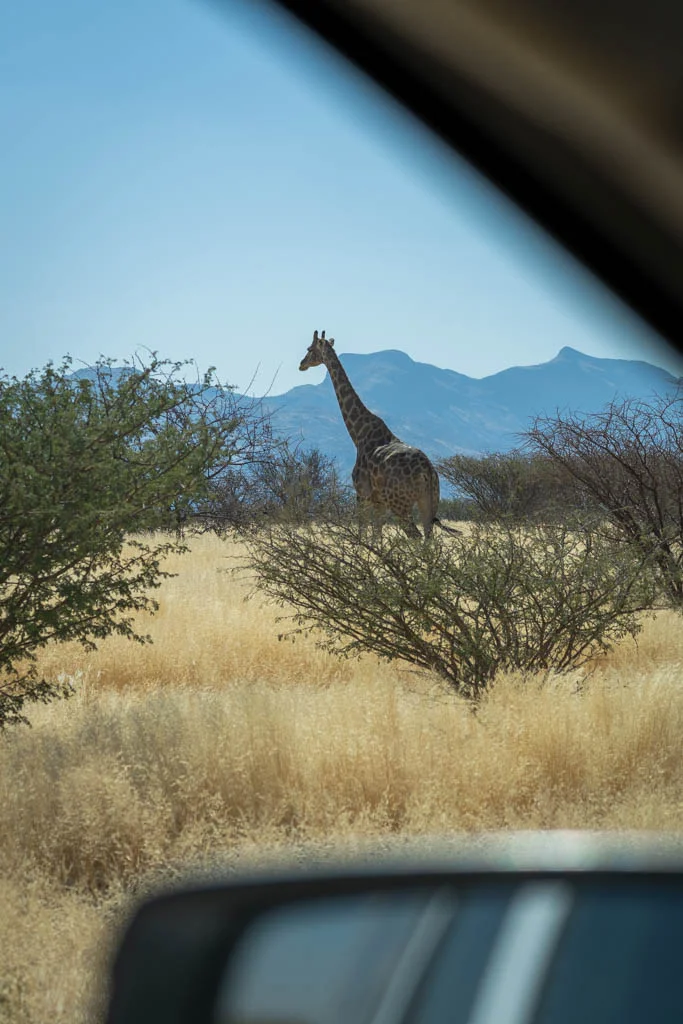
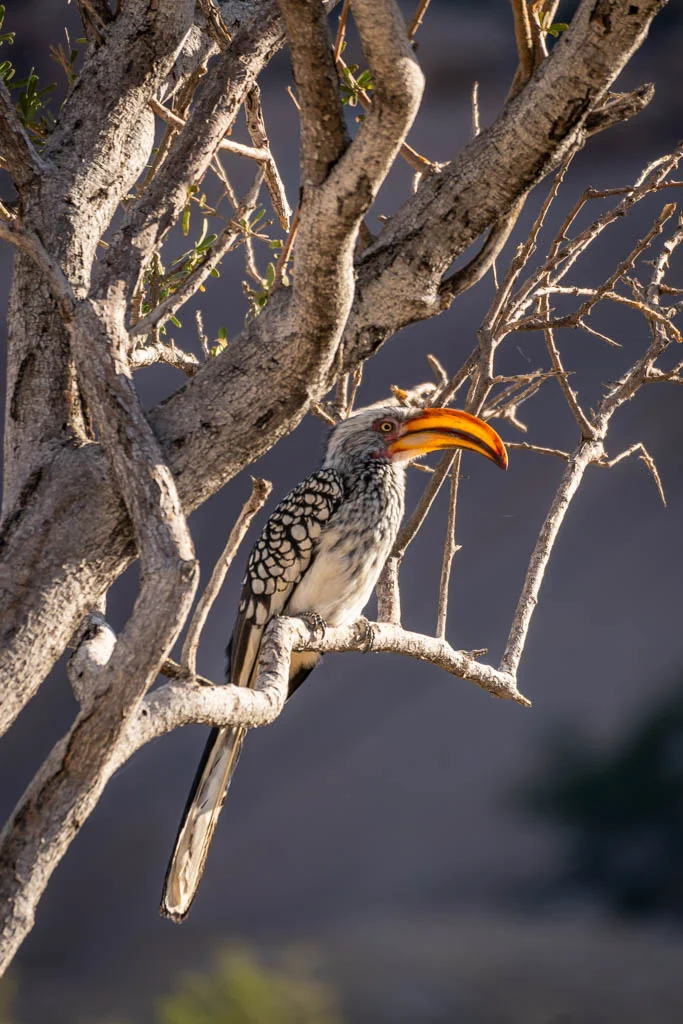
Additionally, we accidentally discovered the wildlife park of Ameib Guesthouse, where the trip to Philips Cave with rock carvings turned out to be absolutely worth it. Both the cave itself and the path to it were very beautiful! We also saw several giraffes, baboons, and hornbills in this park!
Day 12: Spitzkoppe
In just over an hour, we drove from an undiscovered spot to one of the most famous sights in the country: the impressive Spitzkoppe. This area is named after the pointed mountain that towers seven hundred meters above the flat landscape. Additionally, you’ll find even more extraordinary rock formations there, of which the large rock arch especially draws a crowd. Finally, several ancient San rock carvings can be admired in Spitzkoppe.
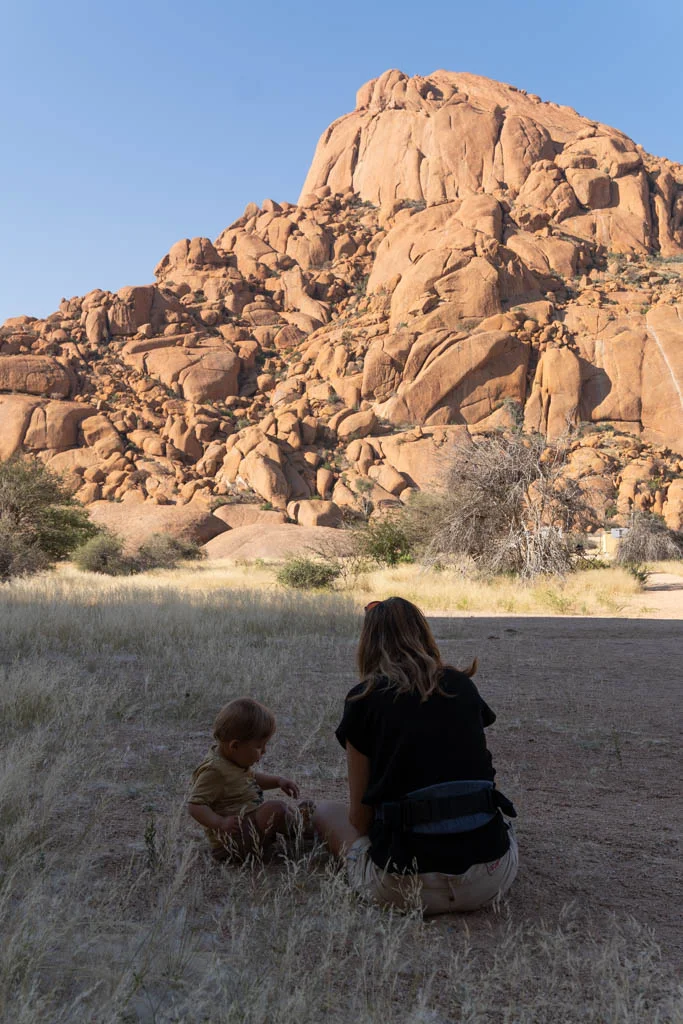
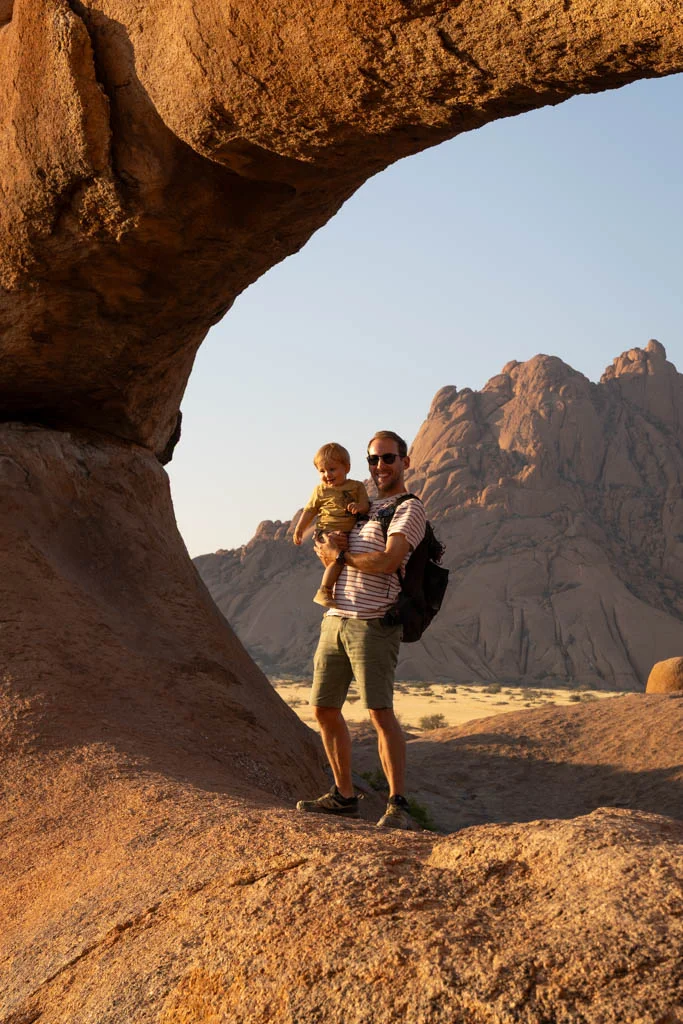
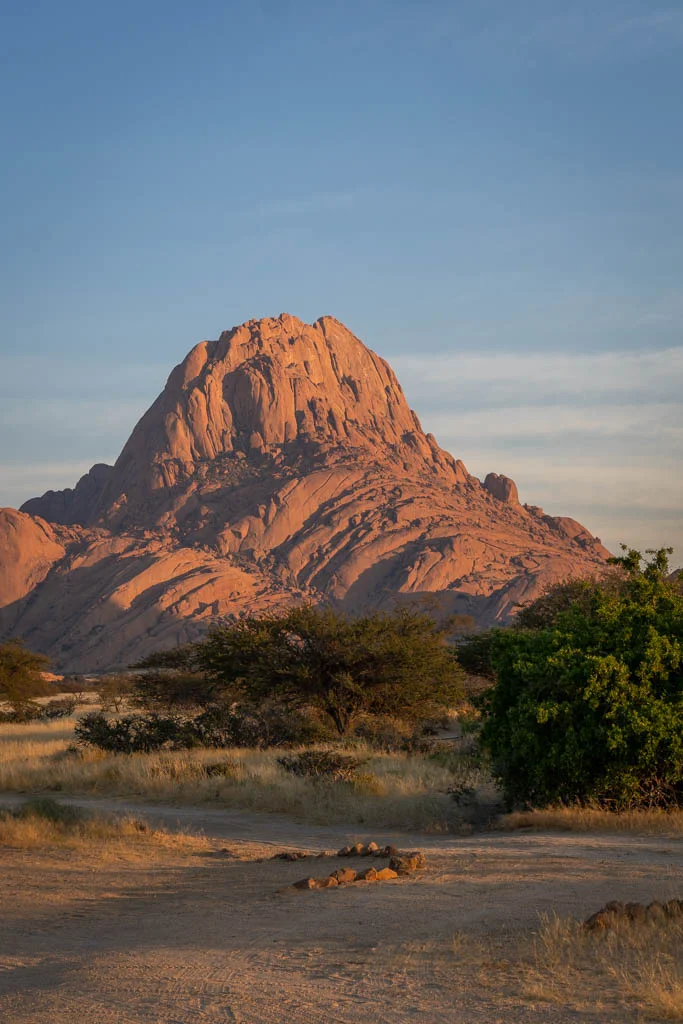
Accommodation options are limited if you really want to stay close to the site. We stayed simply but comfortably at the Spitzkoppe Tented Camp. Technically, we slept in a tent, but it was elevated, had a wooden floor, a wooden balcony, and a private open-air bathroom built against it.
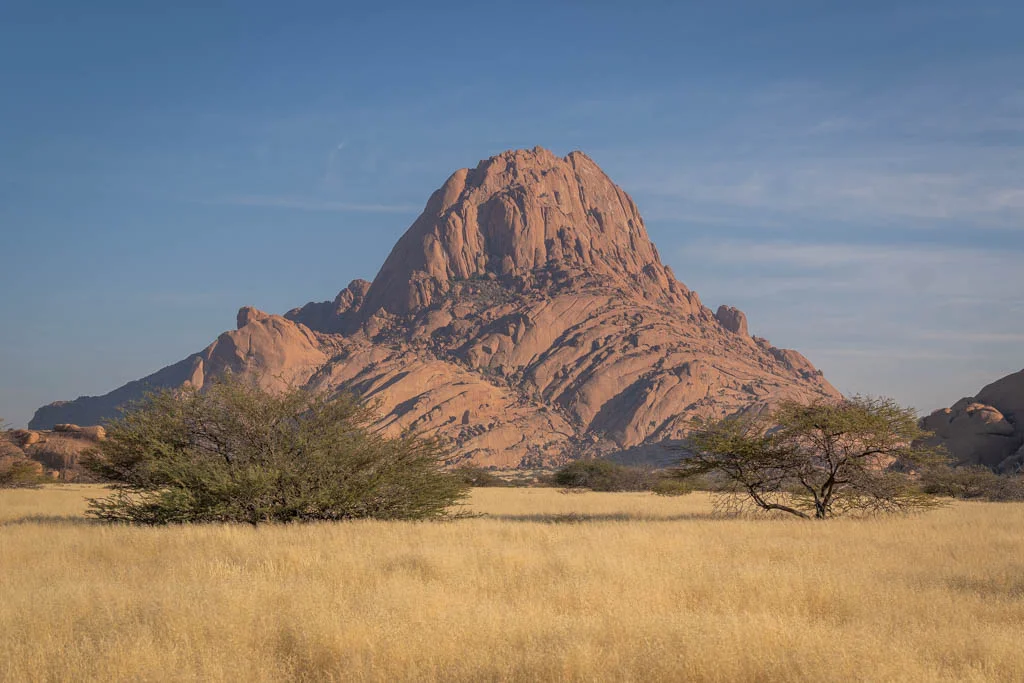
Day 13–14: Brandberg & Desert Elephants
Our journey took us further to the region around Brandberg, the mountain range where Königstein, the highest point in Namibia, is also found. Climbing that peak would mean a three-day trek, which we didn’t feel up to with our son, but we’ll just mention the idea for the avid hikers…
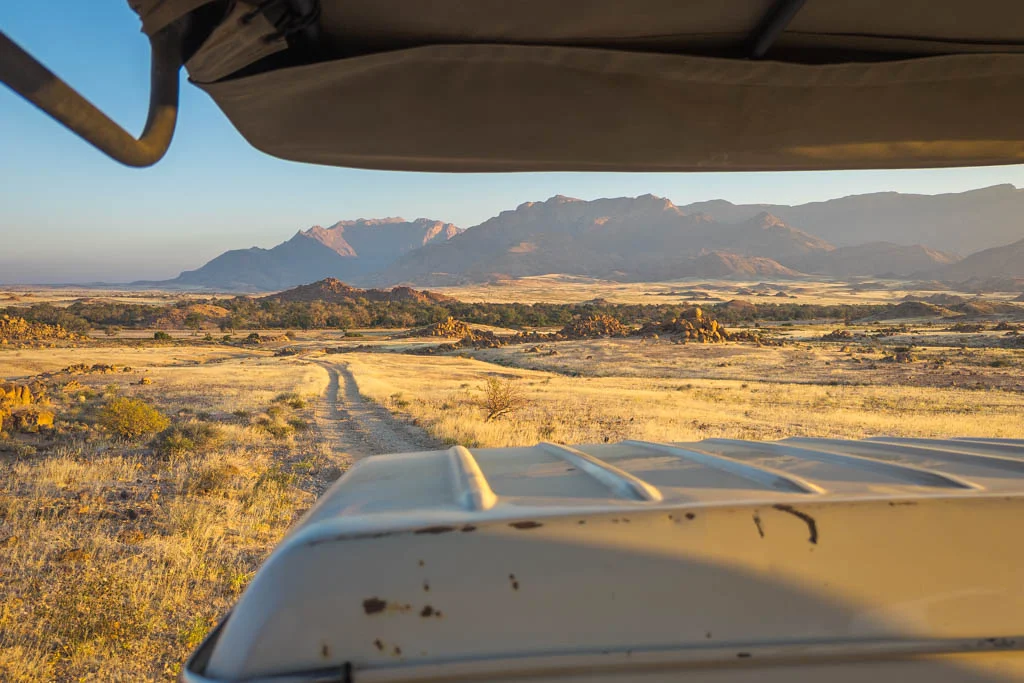
We were here for two other activities. Firstly, we wanted to visit the White Lady Paintings, rock paintings that you have to hike to with a local guide. Secondly, we took part in an Elephant Drive through the Brandberg White Lady Lodge. We found that absolutely fan-tas-tic! We followed tracks and giant droppings to end up with a herd of wild desert elephants. Very special!
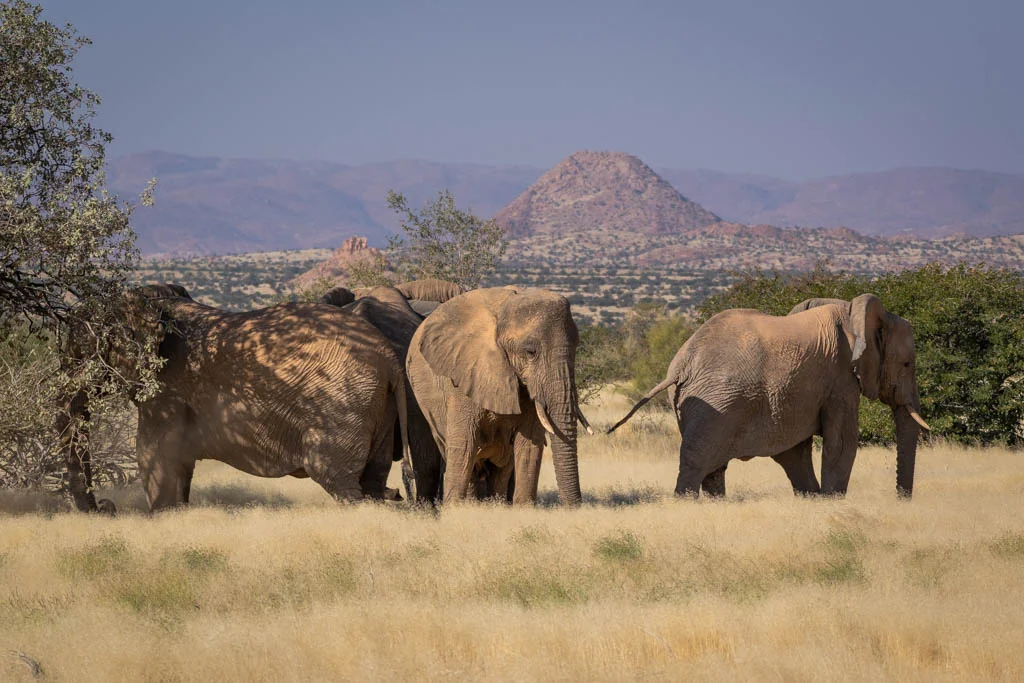
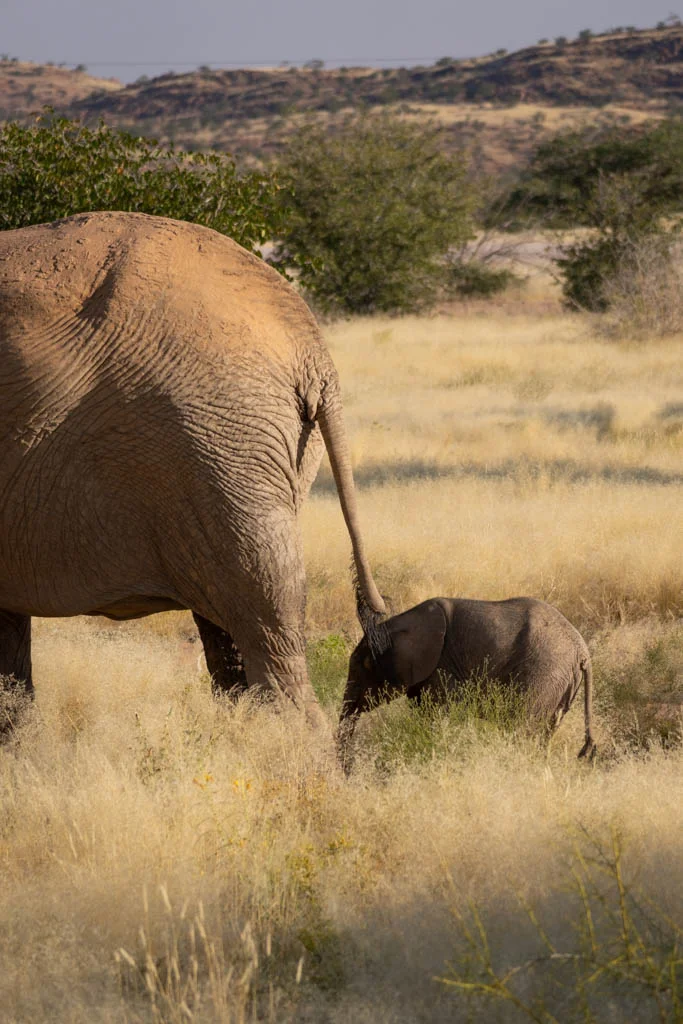
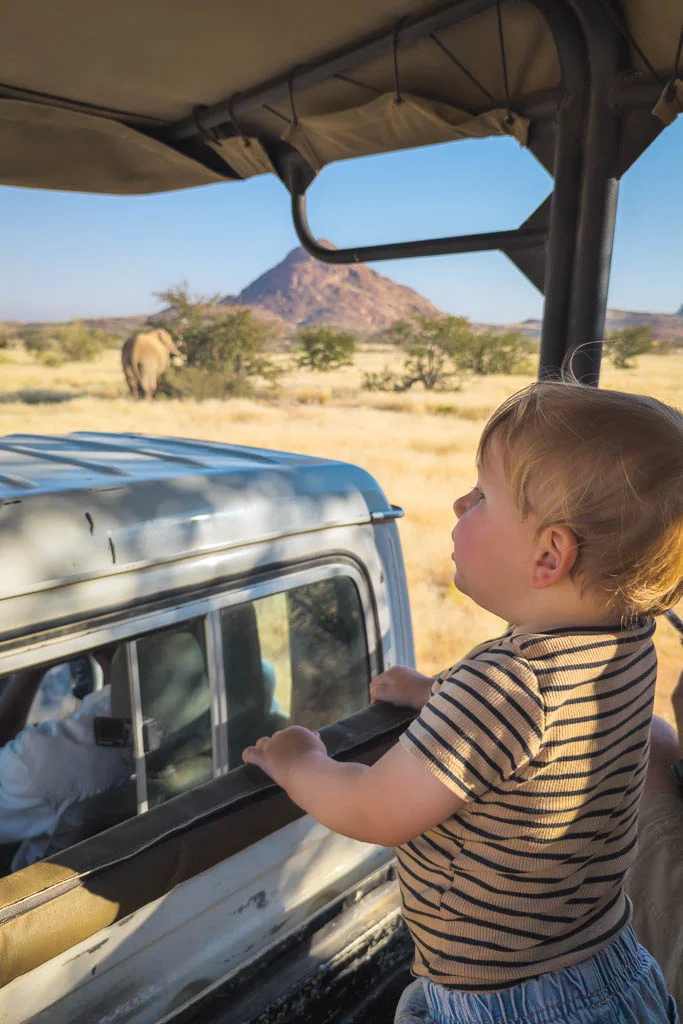
We stayed for two nights in accommodation at Daureb Isib Campsite and B&B in Uis. We found it perfectly fine, and the attached restaurant was especially great. If you have a larger budget or are only looking for a camping spot, you can stay more luxuriously at the Brandberg White Lady Lodge.
Day 15–16: Etosha National Park
And then it was time to head to Namibia’s ultimate attraction: Etosha National Park, one of the largest nature parks in southern Africa. In this vast area, you can go looking for elephants, zebras, lions, cheetahs, giraffes, rhinos, wildebeest, all kinds of antelopes, and so much more in your own car. In other words: an unmissable destination on your tour through Namibia!
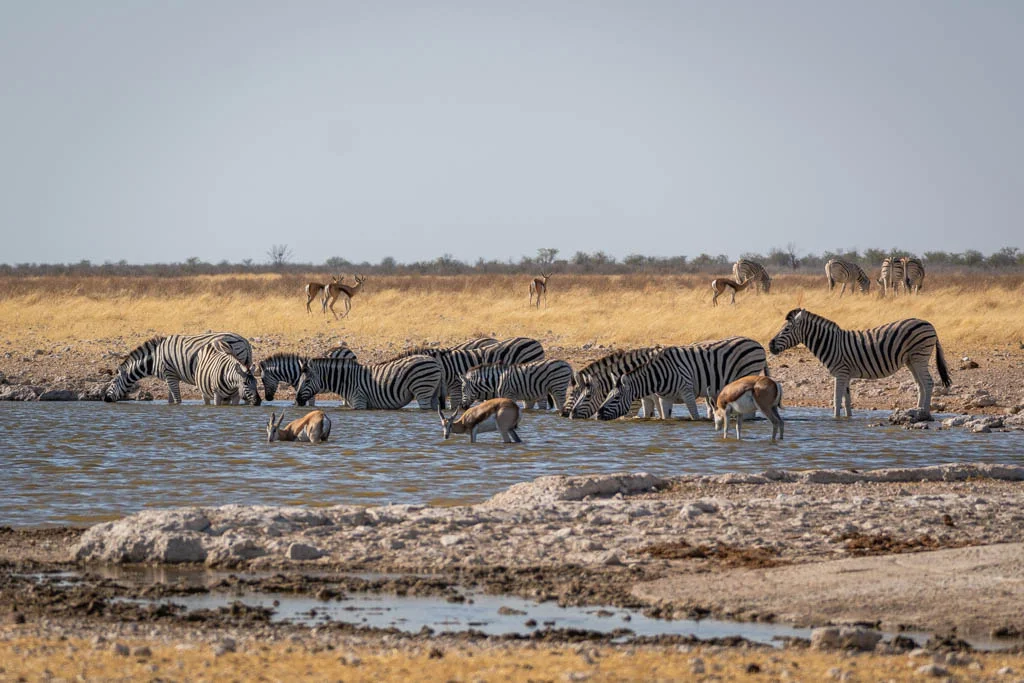
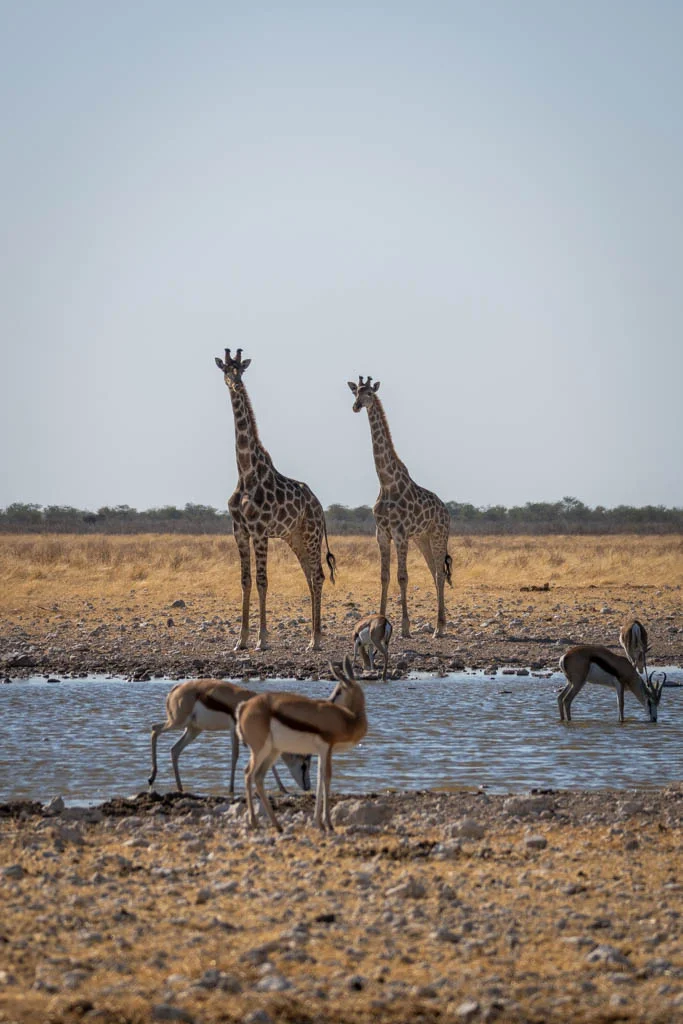

From Uis, it took us four hours to finally enter the park via the Anderson Gate. We stayed in a cottage at Okaukuejo Camp, famous for its floodlit waterhole. On the day of arrival, we already did a loop in the afternoon and spotted quite a bit of wildlife. The next day, we drove from our camp, Okaukuejo, all the way to the Von Lindequist Gate (also known as Namutoni Gate). Along the way, we stopped at as many waterholes as possible, where the chance of seeing animals is highest.
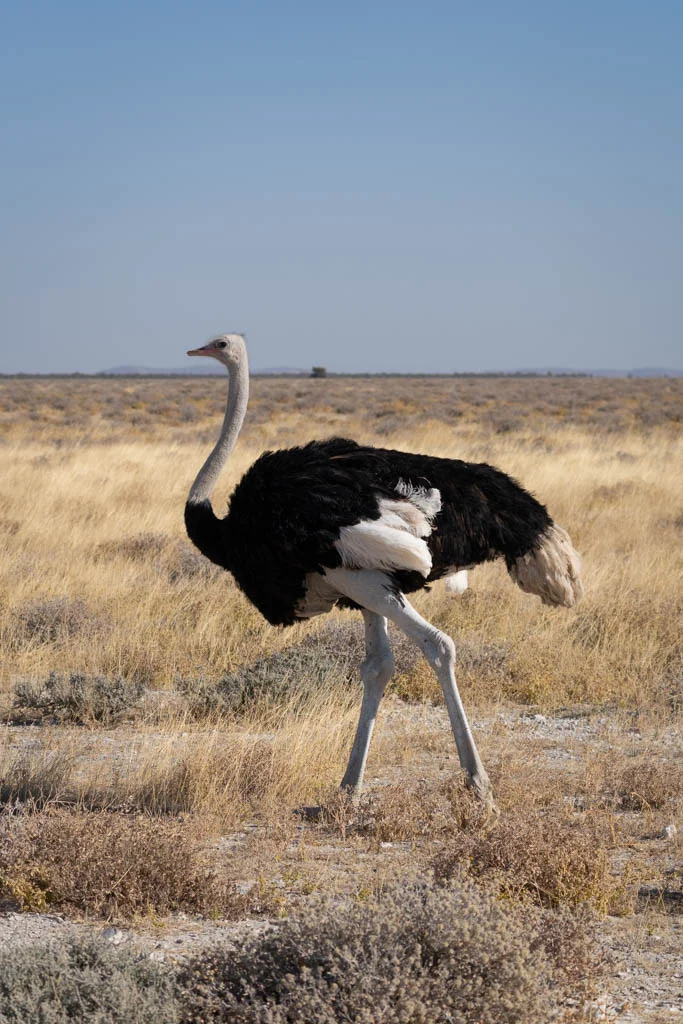
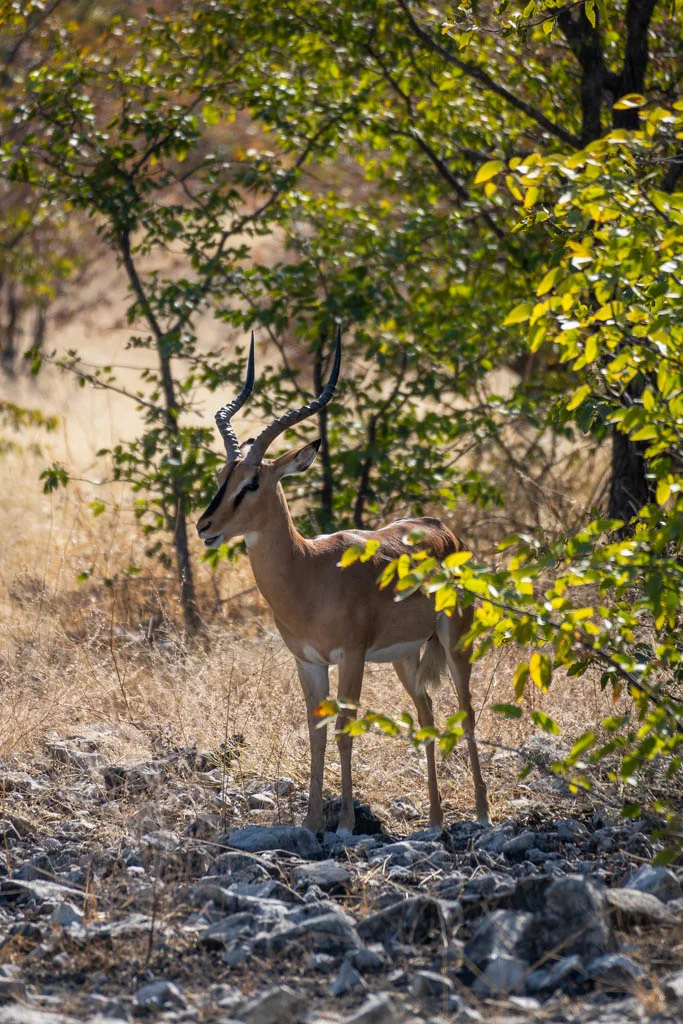
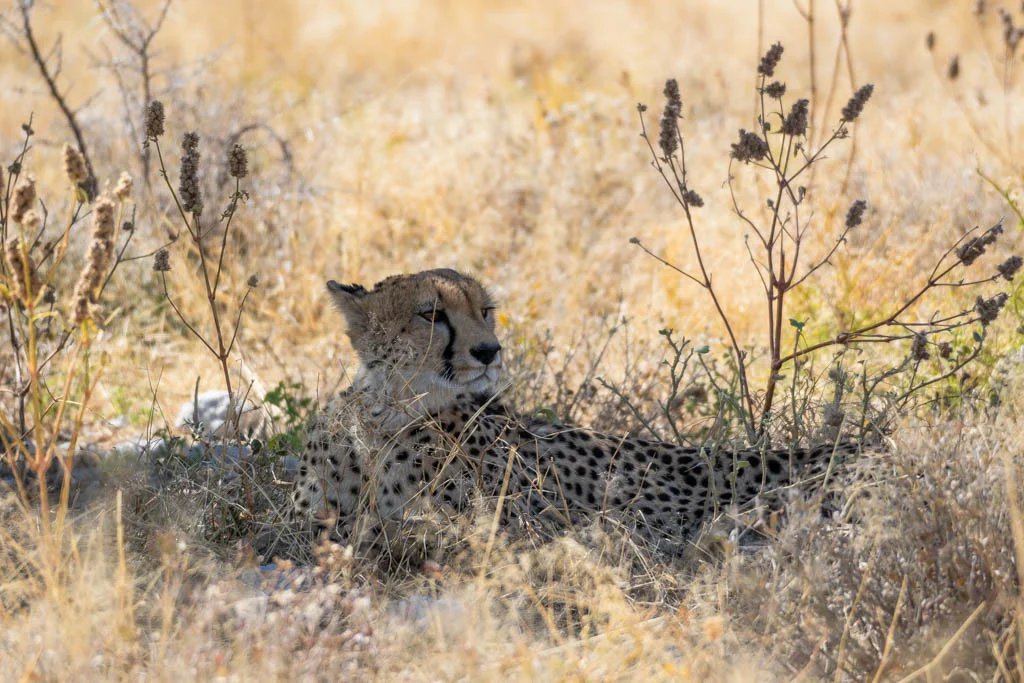
Many tourists set aside a bit more time for their visit to Etosha and stay in multiple camps within the park. That certainly seems worthwhile, but driving around for hours isn’t an ideal activity for young children. So, we stuck to this one overnight stay.
Day 17–18: Waterberg Plateau and Otjiwa Lodge
From the Von Lindequist Gate, it’s another three-hour drive to the town of Otjiwarongo, our next destination. We stayed there more in a hotel style for the first time, in a room at the Out of Africa Town Lodge. From this base, we had two activities on our schedule.
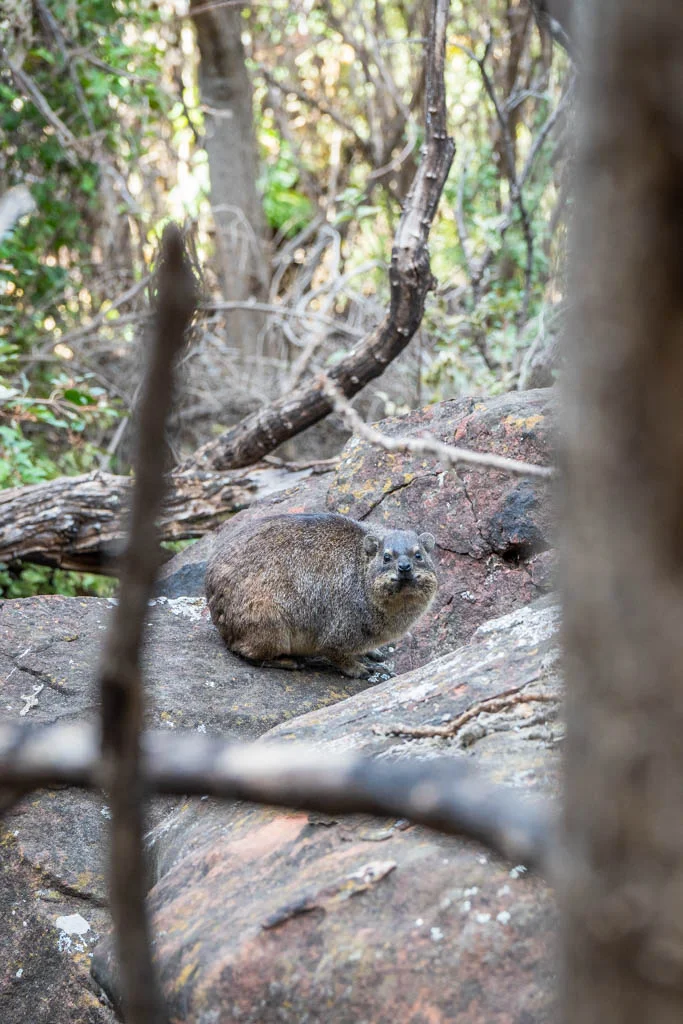
On the first day, we parked at the Waterberg Camp NWR to start a short but tough climb to the viewpoint of the Waterberg Plateau. At the camp, we were accompanied by a troop of baboons, and along the way, we encountered several rock hyraxes. Once at the top, we enjoyed a picnic with a beautiful view.
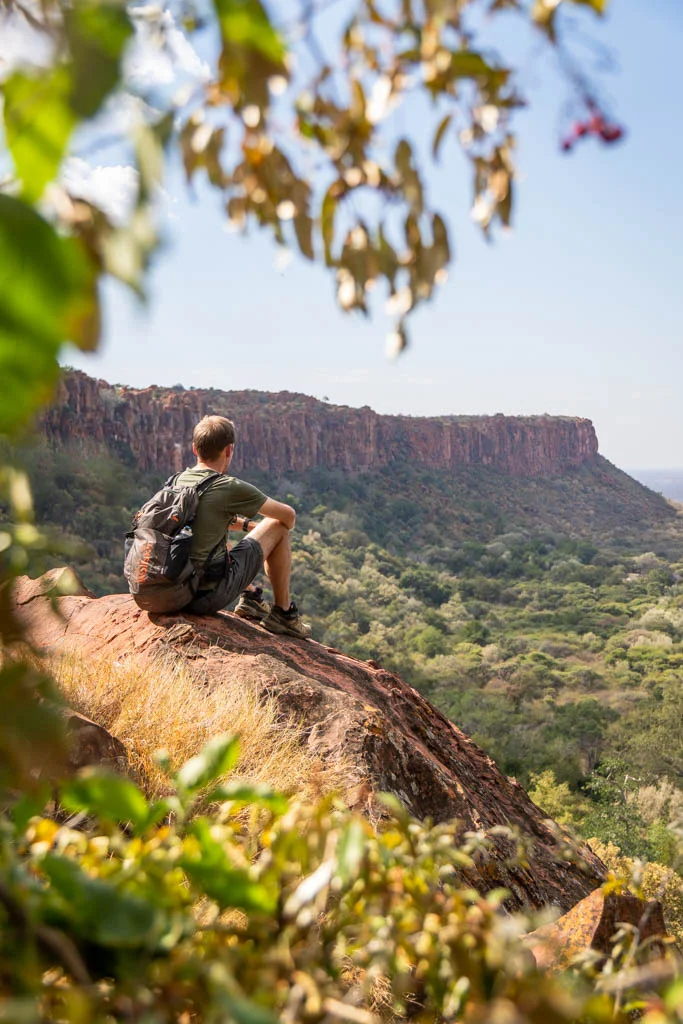
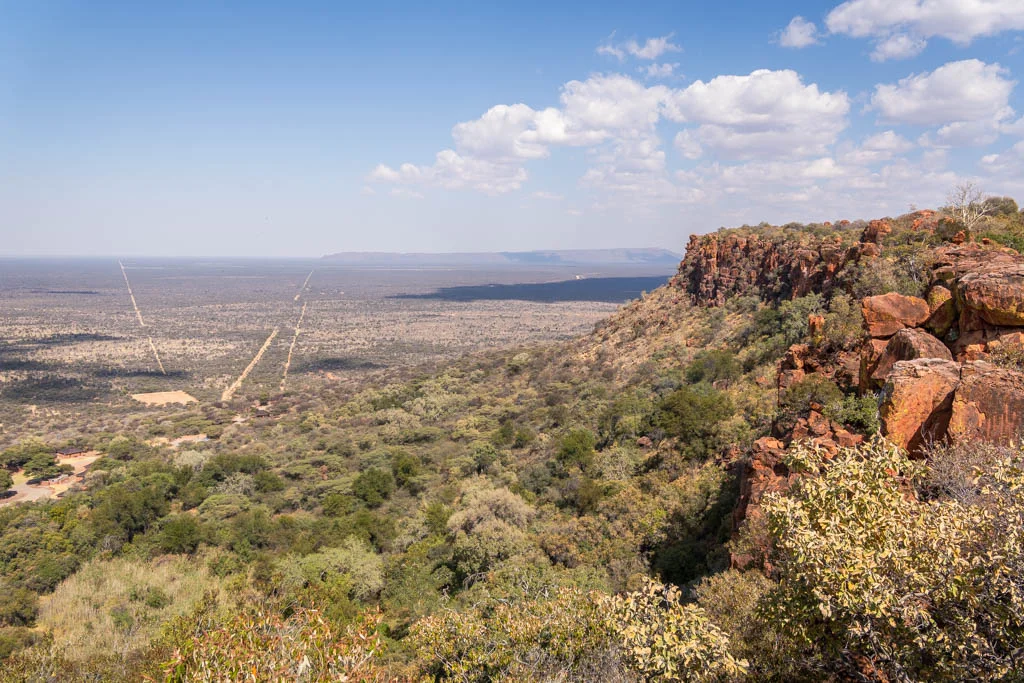
The next day, we checked in at Otjiwa Lodge. Here you can choose from various organized activities, including a sundowner (game drive at dusk with snacks and a drink), bird watching, a cultural tour with a traditional Ombu tribe, or a guided hike.
Day 19–20: Okapuka near Windhoek
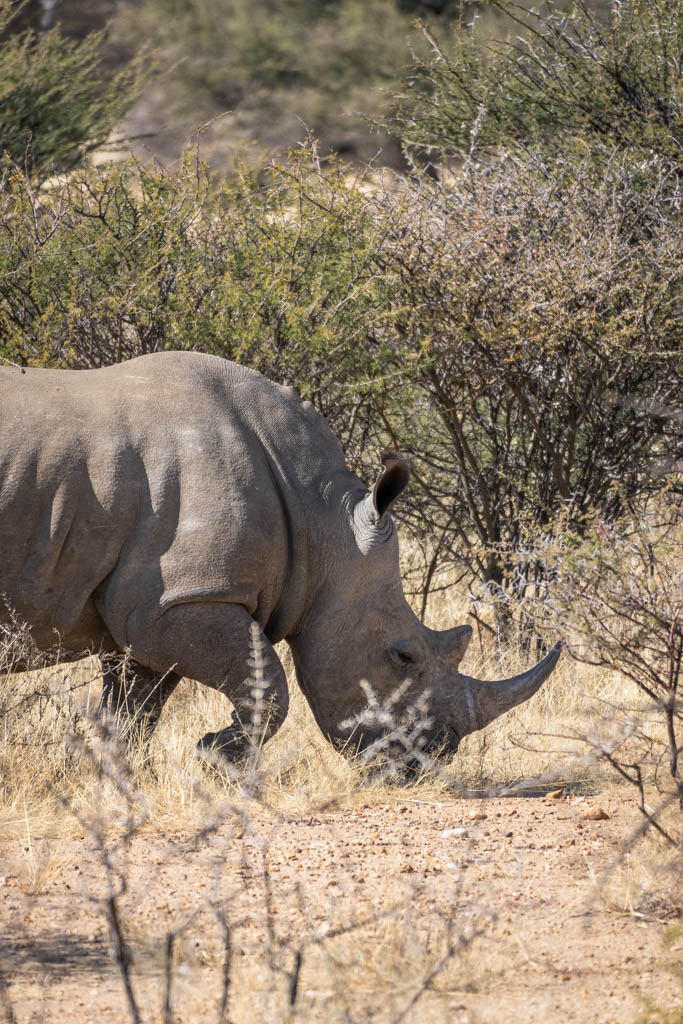
One last time, we wanted to get everything out of our tour through Namibia and stayed a night at the beautiful Okapuka Safari Lodge. This was one of our fancier (and more expensive) stays, but definitely worth it. Giraffes, ostriches, and warthogs just walked right past our cottage! We booked one final game drive because there was still one animal we wanted to check off our list: the white rhino. And were we ever spoiled, because we saw no fewer than three!
Day 21: Mini City Trip to Windhoek
We ended our trip with a mini city trip in Windhoek. The city isn’t much to write home about, but it’s on the way to the airport. We spent most of our time at Joe’s Beerhouse. The interior is… unique! You have to have been there yourself to understand it.
And then it was time to say goodbye to one of the most beautiful countries in the world! Namibia has truly stolen our hearts, and we enjoyed it from start to finish. Have an amazing trip yourself!